A Professional Reference for Lipo Lab Handling, Dilution & Storage
This Lipo Lab handling guide provides essential technical information for aesthetic professionals who stock and administer this lipolytic solution. It covers product verification, storage protocols, p
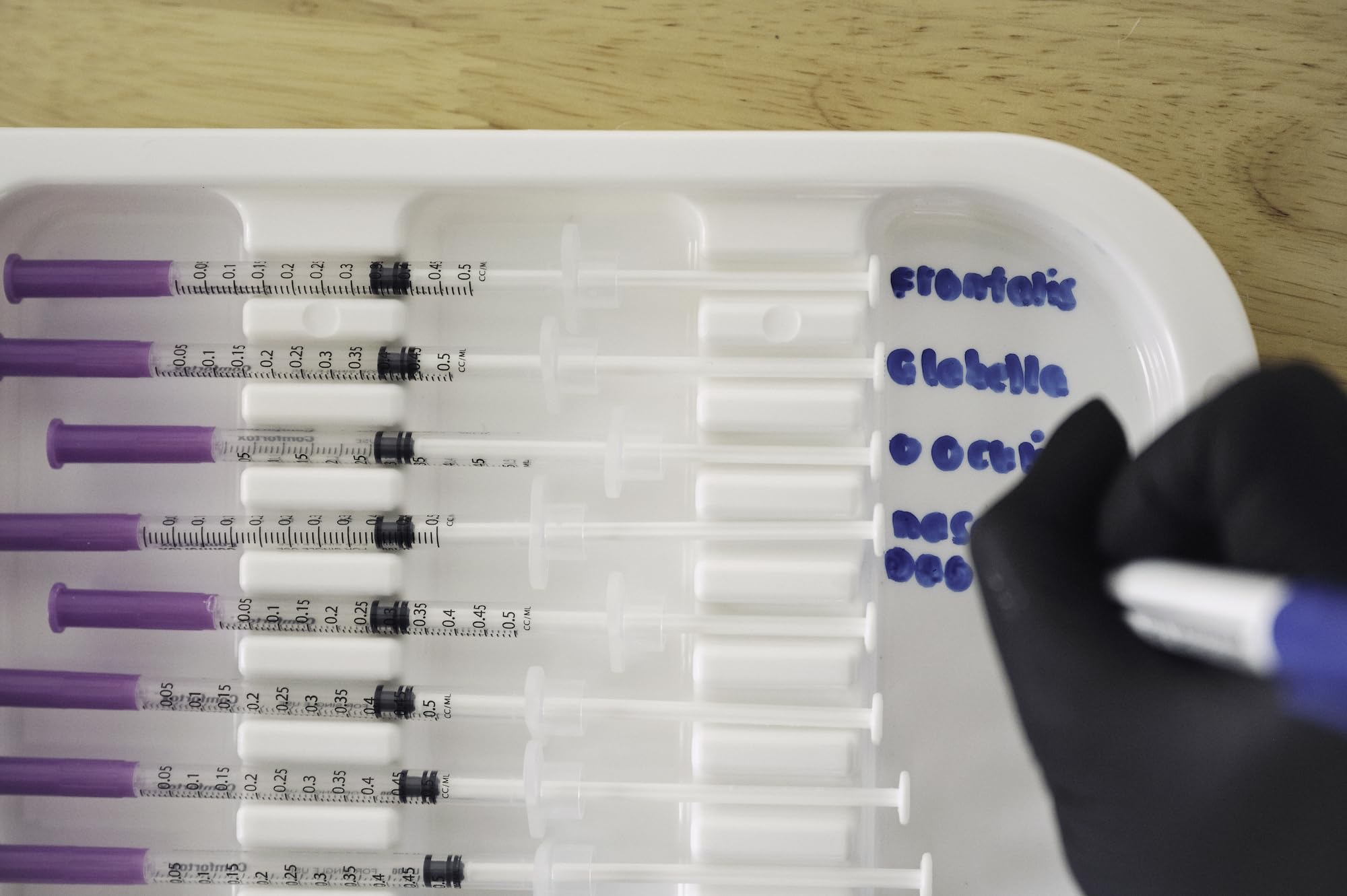
This Lipo Lab handling guide provides essential technical information for aesthetic professionals who stock and administer this lipolytic solution. It covers product verification, storage protocols, preparation, and dilution considerations for clinical use. The following reference is intended for trained professionals sourcing lipolytics for their practice.
Product Presentation and Initial Verification
Lipo Lab, manufactured by CSBIO Inc. in South Korea, is supplied in standardized packaging designed for professional use. Each box contains 10 vials, with each vial holding 10ml of the solution. Upon receiving a shipment, the first step is to verify the product's integrity and authenticity.
Inspect the outer packaging for any signs of damage or tampering. Each box should be sealed. Verify the lot number and expiration date printed on the box and ensure they match the information on the individual vials. Authentic products often feature security elements like holographic seals. Confirming these details is a critical first step in your clinic's quality assurance protocol, ensuring you are using a genuine, traceable product. A different presentation is available for facial contouring, known as Lipo Lab V-Line, which is packaged specifically for smaller treatment areas.
Storage Requirements and Cold-Chain Integrity
Proper storage is essential to maintain the stability and efficacy of Lipo Lab's formulation. Unopened vials should be stored at standard room temperature, between 1°C and 30°C (34°F to 86°F). It is critical to keep the product away from direct sunlight and to prevent it from freezing, as extreme temperatures can degrade the active ingredients.
For clinics and distributors, maintaining this temperature range throughout the supply chain is paramount. When sourcing Lipo Lab, ensure your supplier provides verifiable cold-chain shipping, especially for international and cross-climate logistics. Once a vial is opened, it should be stored in a refrigerator and used within a specified timeframe to prevent contamination and degradation. Always refer to the package insert for the manufacturer's specific post-opening storage guidelines.
Preparation and Aseptic Technique
Lipo Lab is provided as a liquid solution and does not require reconstitution in the same way a lyophilized powder does. However, preparation using strict aseptic technique is mandatory to prevent contamination. The treatment area and the vial's rubber stopper must be thoroughly disinfected with an appropriate antiseptic solution before aspiration.
Use a sterile, single-use syringe and needle to draw the solution from the vial. It is standard practice to use a new sterile needle for injection for each patient. While this product does not require the complex reconstitution steps seen in some botulinum toxins, a methodical and sterile approach is just as important. For professionals interested in handling protocols for other product types, our journal includes guides such as the Hutox 100unit: A Professional Reference for Reconstitution, which covers powder-based injectables.
Dilution Ratios: A Technical Reference
While Lipo Lab can be administered as is, many practitioners choose to dilute the solution to adjust the concentration or to incorporate an anesthetic like lidocaine for patient comfort. The dilution ratio is determined by the practitioner based on the target area, tissue density, and their professional judgment. This section provides reference information on common practices, not a clinical recommendation.
A common diluent is sterile 0.9% sodium chloride (saline). The ratio can vary significantly. Below is a table of illustrative ratios for informational purposes only:
| Lipo Lab (ml) | Saline 0.9% (ml) | Notes |
|---|---|---|
| 10 | 10 | 1:1 ratio. A common starting point for larger body areas. |
| 5 | 5 | Smaller volume preparation for a single treatment zone. |
| 10 | 8 | A slightly higher concentration of Lipo Lab. |
When adding lidocaine (e.g., 1% or 2%) to the mixture, the volume of saline is typically reduced proportionally to maintain the desired total volume. The final decision on dilution rests solely with the qualified professional performing the procedure.
Post-Dilution Stability and Handling
Once Lipo Lab is mixed with a diluent, its chemical stability and shelf life change. If a vial's contents are not used in a single session, the mixed solution should be stored according to established clinical best practices. Generally, it should be refrigerated and used within 24 hours to minimize the risk of bacterial growth and potency loss. The vial should be clearly labeled with the date and time of mixing.
Never mix the contents of different vials. Each preparation should be done on a per-patient, per-session basis to ensure sterility and accurate dosing. Proper inventory management helps minimize waste and ensures that all products used in your clinic are within their optimal stability window. Handling these solutions correctly is key to a professional and safe practice.
Comparative Overview: Lipo Lab and Alternative Lipolytics
For clinics looking to offer a range of body and facial contouring solutions, it is useful to understand the landscape of available products. Lipo Lab is one of several popular Korean-made lipolytics. Other products in the category may have different active ingredient concentrations, vial sizes, or formulations.
For example, Kabelline is another deoxycholic acid-based product, often noted for its formulation designed to minimize swelling. Products like Curenex Lipo incorporate other ingredients to support metabolism and circulation. By understanding the specifications of each, clinics can make informed decisions when stocking their inventory. Explore the full Lipolytic / fat-dissolving injectable catalog to compare different presentations and formulations for your practice.
The handling and storage protocols detailed in this guide are only effective if the product itself is authentic and has maintained its integrity throughout the supply chain. Sourcing Lipo Lab from a reputable B2B distributor guarantees that you receive genuine product from CSBIO Inc. We provide traceable lot numbers and expiration dates for every box, ensuring full accountability. Our commitment to verified cold-chain logistics means your order is maintained at the correct temperature from our warehouse to your clinic, preserving the solution's stability and quality.
For professional buyers.
What is the standard handling protocol for Lipo Lab for professionals?+
Does Lipo Lab need to be refrigerated before opening?+
What are the contents of a standard Lipo Lab box?+
How can a clinic verify the authenticity of their Lipo Lab supply?+
What is the shelf life of an unopened Lipo Lab vial?+
For clinics and distributors, access wholesale pricing and volume tiers for authentic Lipo Lab by viewing the product in our catalog.
Authentic, lot-traceable and cold-chain shipped to verified clinics. Volume pricing unlocks automatically — save up to 8% on orders of 51+ units.